


Behavioral Medicine is an interdisciplinary field that integrates knowledgefrom the biomedical and behavioral sciences to understand how is it that behavior influences the development, treatment, and prevention of disease. The fundamental principle of Behavioral Medicine is that changes in behavior can decrease or increase the risk, onset, or progression of a disease, as well as its symptoms.
Why do some people manage to change their habits after bariatric surgery while others don't? The answer does not depend only on willpower, but also on understanding how our behaviors develop and what factors influence them.
Behavioral Medicine formally emerged as a discipline in the 1970s, based on the epidemiological observation of the relationships between patient behavior and diseases. For example, the behavior of not eating enough fiber and the subsequent appearance of colon cancer, the behavior of ingesting high amounts of fat and the subsequent appearance of cardiometabolic diseases, or the behavior of a sedentary lifestyle and the progressive loss of muscle mass.
There are several proposals on what influences our health-related behavior and how to intervene it, however, two of these have exerted greater prominence in thefield of Behavioral Medicine: the Natural History of Disease Model, and the Health Belief Model.
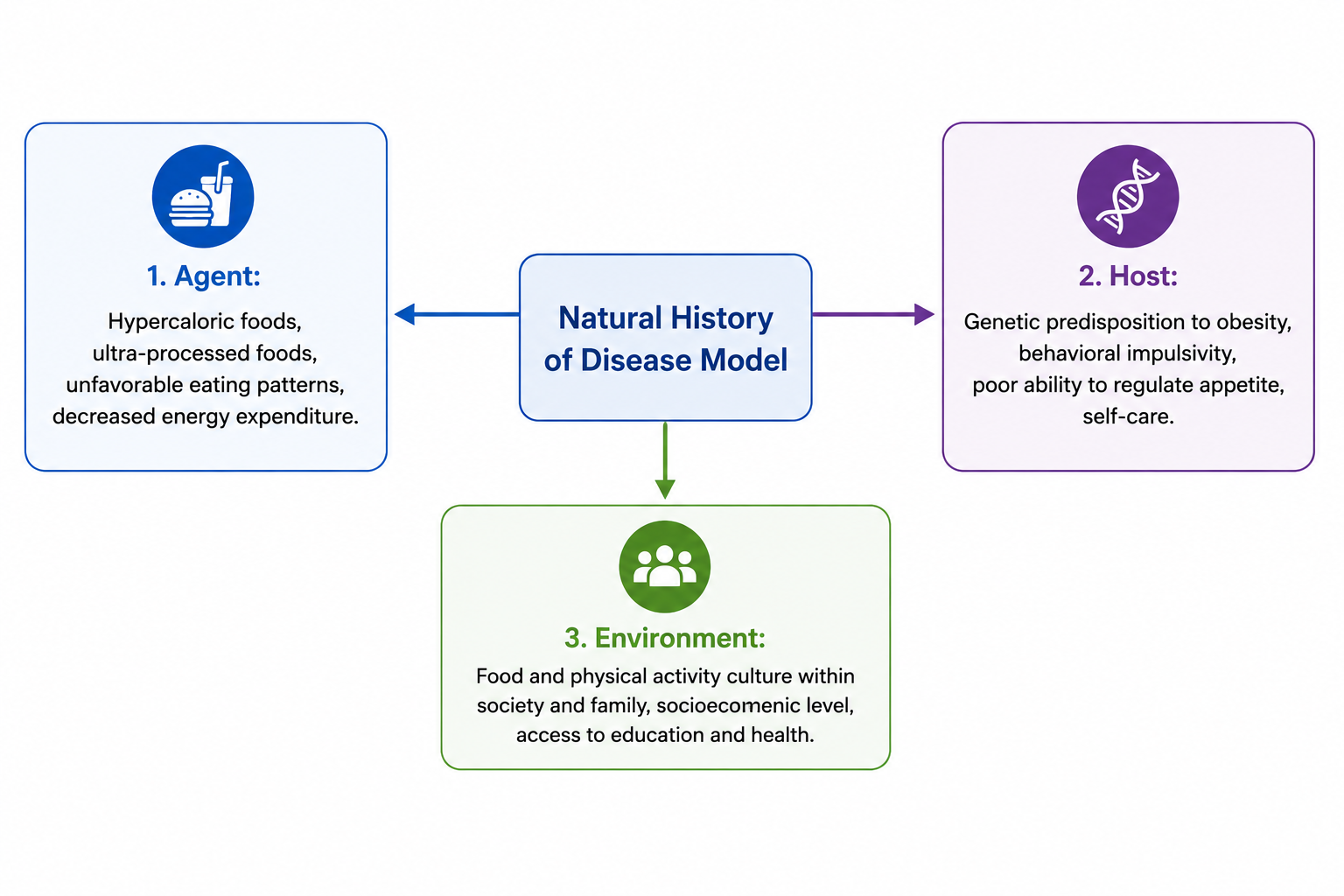
The Natural History of Disease Model proposes that disease is caused by imbalances between Agent, Host and Environment, that is, that disease appears when the balance between these three components is altered, favoring the action of the Agent on the Host within a favorable Environment. Understanding this interaction makes it possible to identify factors that cause the disease and to establish interventions aimed at preventing its appearance, modifying its evolution or reducing its consequences.
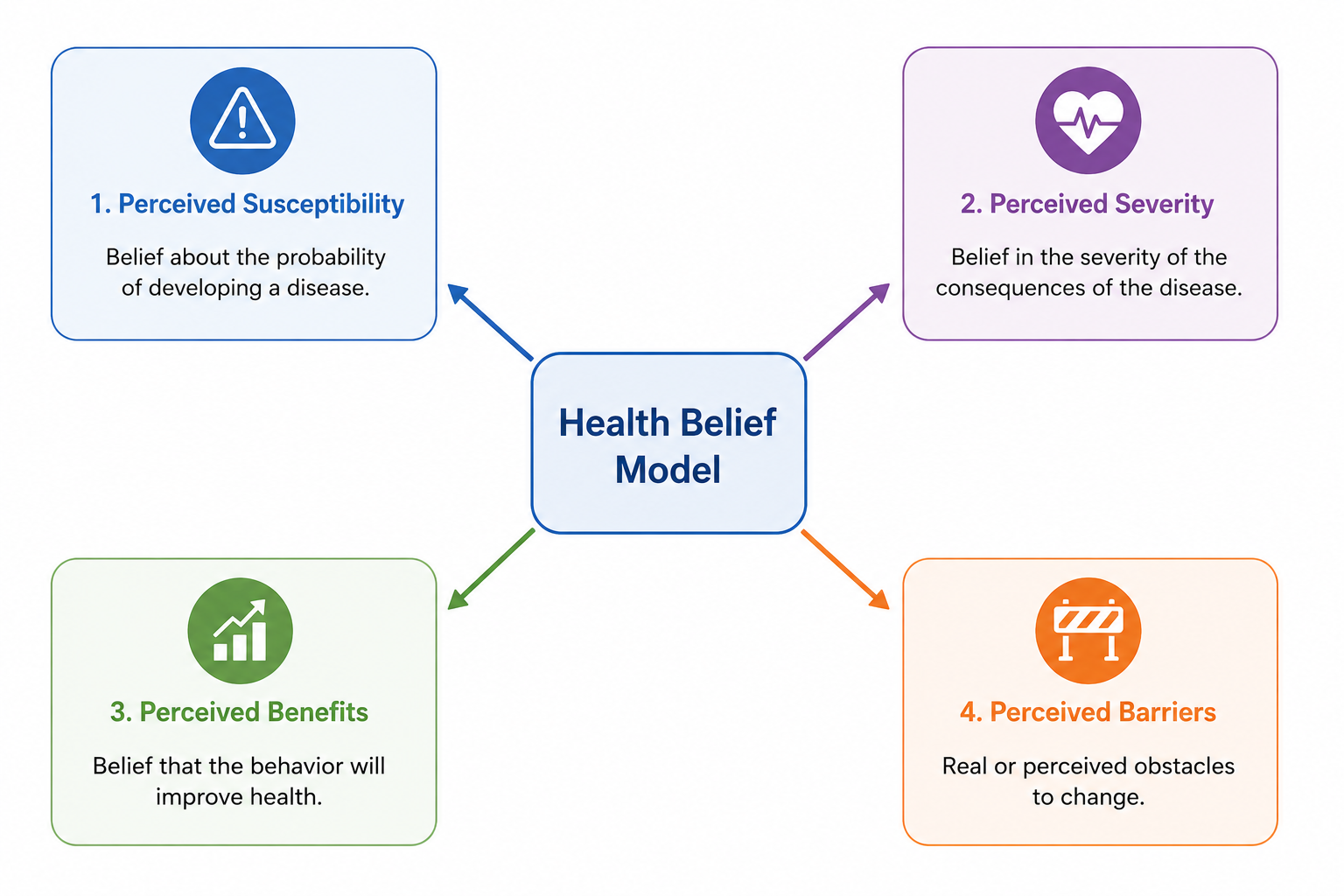
On the other hand, the Health Belief Model proposes that the probability that a person will engage in a health behavior depends on how they perceive the disease, the benefits of acting on it, and the barriers that they may present when doing so. In other words, decisions about health-related behavior do not depend only on knowledge of it, but on personal beliefs and the perception of cost-benefit.
We know that Bariatric Surgery is the most effective long-term tool for the treatment of obesity. However, this also depends largely on the behavioral changes that the patient manages to make and maintain. Behavioral Medicine allows us to understand the biological, psychological, social and environmental factors that are included in these changes, helping to develop sustainable habits related to food, physical activity and self-care. In this sense, surgery modifies the anatomy of the digestive system, while Behavioral Medicine provides the necessary strategies to maintain those results for life.
Here's an easy exercise to evaluate your own health-related behavior:
1. Agent: What elements are influencing your weight and health?
2. Guest: Do you think you have an unfavorable biological factor that predisposes you to obesity?
3. Environment: What factors in your environment make it difficult for you to improve your weight and health?
1. Perceived Susceptibility: Do you think you are susceptible to developing obesity and metabolic diseases?
2. Perceived Severity: Does this significantly impact your quality of life?
3. Perceived Benefits: Is taking care of your health worth it?
4. Perceived Barriers: What obstacles will you face when you try to improve yourhealth?
At Cornerstone Bariatrics, we have the right multidisciplinary team to help you better understand your condition, where it comes from, and what to do to improve it in the future. Reach out to us so we can begin this health journey with you!
Bariatric Nutrition | Behavioral Neuropsychology
Specialistin Bariatric Nutrition, Metabolic Syndrome, and Eating Disorders

Glanz, K. et al. (2024). Health behavior: Theory, research, and practice (6th ed.). Jossey-Bass.
Reynoso-Erazo, L. et al. (Eds.). (2021). Medicina conductual: Avances y perspectivas. Qartuppi.