



One of the biggest concerns patients from West African, North African, and Middle Eastern backgrounds have is whether they’ll still be able to enjoy their traditional meals after bariatric surgery. These foods often carry deep cultural significance, family memories, and, in many cases, religious traditions.
The good news is yes. You can continue enjoying many of your favorite dishes after surgery. Like any healthy eating plan, however, some modifications may be needed to better align with your post-operative nutritional requirements. Most traditional recipes from these regions can be successfully adapted to support your weight loss goals, and many can also be adjusted to fit the different phases of a pre-operative bariatric diet.
With proper planning and guidance, you can preserve the flavors and traditions that matter most while making meaningful improvements to your health and long-term well-being.
Obesity and metabolic health conditions are major health concerns across the Middle East, West Africa, and North Africa. Approximately 1 in 5 adults in these regions are living with obesity, while nearly one-third of the population is affected by metabolic syndrome—a cluster of conditions that can include excess abdominal fat, high blood pressure, elevated blood sugar, and obesity-related health complications.
Women are disproportionately affected, experiencing obesity at higher rates than men and often exceeding global averages. In the United Arab Emirates (UAE), for example, nearly one-third of the population is living with obesity. Several countries, particularly within the Gulf region, have also seen a significant rise in childhood obesity, underscoring the importance of nutrition education and healthy lifestyle habits from an early age.
While advanced laparoscopic and robotic bariatric surgery is widely available throughout the region, especially in the UAE, many patients have traditionally traveled abroad, specifically to Turkey, for treatment due to the high cost of surgery at home. Bariatric procedures in the UAE can range from 30,000 to 50,000 AED (approximately $8,000–$14,000 USD). As a result, a growing number of patients are now exploring more affordable destinations that offer comparable technology, safety standards, and surgical expertise, like Tijuana, Mexico.
Bariatric surgery guidelines and nutritional recommendations are generally the same regardless of ethnicity or cultural background. However, cultural food traditions, hospitality customs, religious practices, and family expectations can play an important role in how patients adapt to lifestyle changes and navigate recovery.
During your pre-operative evaluation, you are encouraged to discuss any dietary preferences, religious accommodations, staff gender preferences, or other personal considerations with our team. Understanding these factors allows us to provide a more personalized experience and help ensure your weight loss surgery journey is as comfortable, supportive, and culturally respectful as possible.
During the first week after surgery, hydration is the primary goal. Strained broths made from chicken, lamb, beef, fish, or bones are excellent choices. Traditional soups such as Shorba, Harira, Pepper Soup, or mild Miyan Kuka broth may be appropriate when prepared with minimal fat and spices and thoroughly strained.
Unsweetened herbal teas, including mint, chamomile, ginger, hibiscus, and anise, may also be well tolerated. During this phase, all foods must be completely liquid, well strained, and thin enough to appear nearly transparent.
As your diet progresses, smooth, blended soups become an important source of nutrition. Traditional options such as Shorbat Adas (lentil soup), Gbegiri, Bissara, Harira, and Ful Medames can be adapted to fit this stage when prepared with limited fat and blended to a smooth consistency.
Temporary lactose intolerance is common after bariatric surgery. For this reason, many patients tolerate low-lactose dairy products such as goat milk, kefir, and laban more comfortably. Plant-based alternatives, including unsweetened almond milk and oat milk, may also be suitable options.
During this stage, the focus shifts toward soft, protein-rich foods. Dense starches commonly found in dishes such as Fufu, Pounded Yam, Banku, and traditional dumplings may be difficult to tolerate early in recovery.
Better-tolerated alternatives often include mashed beans, lentils, hummus, Baba Ghanoush, okra-based stews, cauliflower mash, eggs, and soft flaky fish. Eating slowly and chewing thoroughly remain essential for comfort and digestion.
As healing continues and your tolerance improves, most patients can gradually return to enjoying their traditional cultural foods with few modifications. The key is maintaining appropriate portion sizes, prioritizing protein, and choosing preparation methods that support long-term health and weight loss success.
Working closely with your bariatric dietitian can help you adapt favorite family recipes while ensuring they continue to support your nutritional, metabolic, and weight loss goals.
Patients who follow Halal dietary practices may prefer protein supplements, vitamins, and other nutritional products that are Halal-certified and free from pork-derived ingredients. This is particularly important for products such as protein powders, collagen supplements, gelatin-based capsules, and certain vitamin formulations, which may contain animal-derived ingredients.
When selecting supplements after bariatric surgery, always review ingredient labels carefully and choose products that meet both your nutritional needs and personal dietary preferences. Some Halal-certified supplement brands you may wish to explore include Shifaa Nutrition, Elite Sports Nutrition, and Ultimate Sport Nutrition.
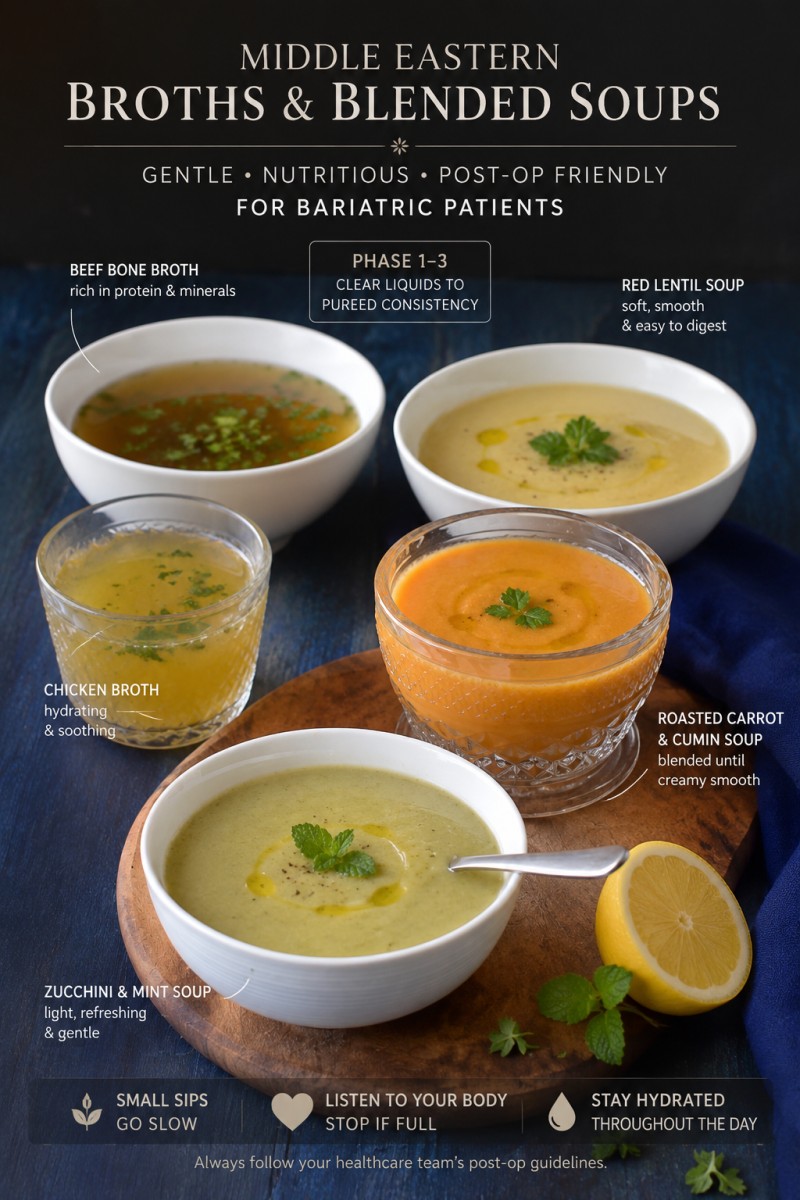
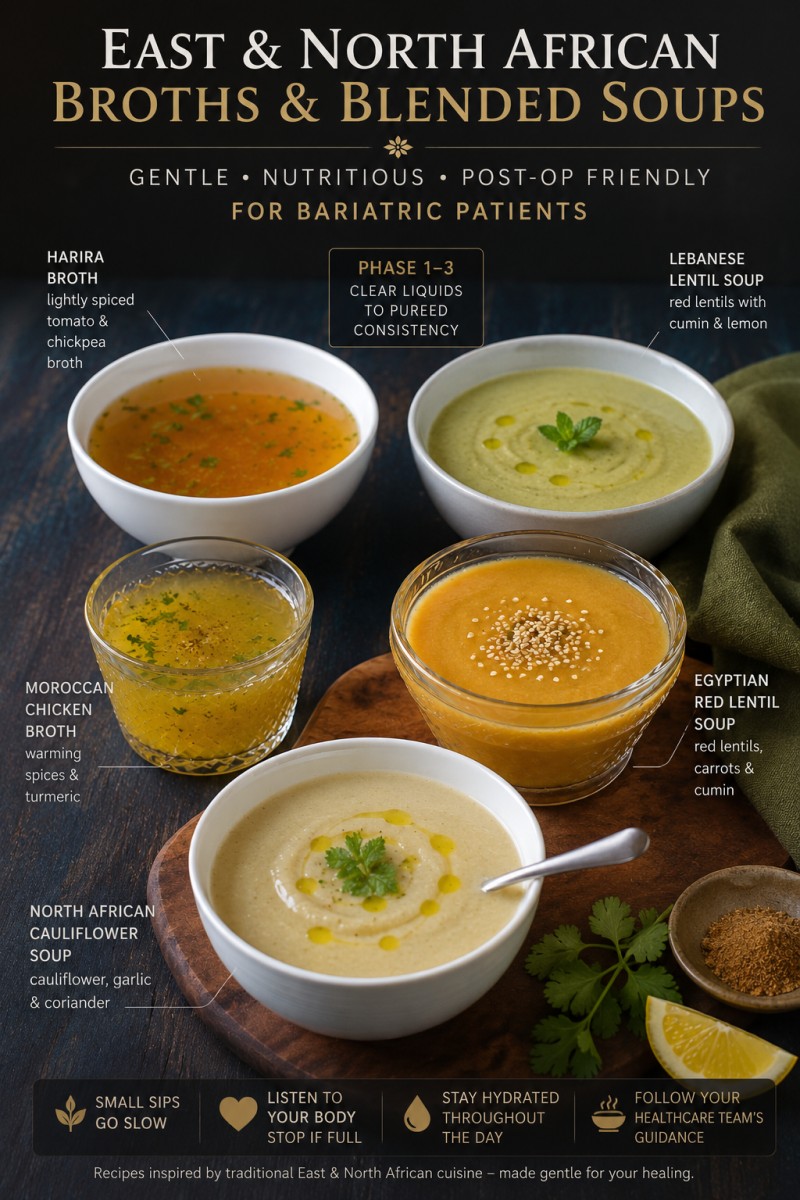
Remember, bariatric surgery does not mean abandoning your cultural identity or food traditions. Many traditional West African, North African and Middle Eastern foods can be adapted to support recovery while preserving flavors, customs, and values that matter to you the most.
At Cornerstone Bariatrics, Dr. Sandy Martínez and her multidisciplinary team are committed in helping every patient achieve lasting success while integrating their cultural and religious practices—rest assured we’re excited to hear from you and help you adapt to this journey every step of the way!
Bariatric Nutrition | Behavioral Neuropsychology
Specialistin Bariatric Nutrition, Metabolic Syndrome, and Eating Disorders